Rationale For Selecting Apple
It remains the world’s most valuable brand, estimated at over $607 billion due to its strong ecosystem and growth in services. The public generally expects industry-leading hardware, seamless ecosystem integration, and flawless software. However, they increasingly accept that Apple prioritizes privacy over cutting-edge AI, enforces deliberate hardware restrictions, and focuses on high-profit margins through ecosystem upselling. Apple consumer product concepts primarily address the unmet needs of creatives/professionals and health/wellness-focused demographics.
New Consumer Product Concept!
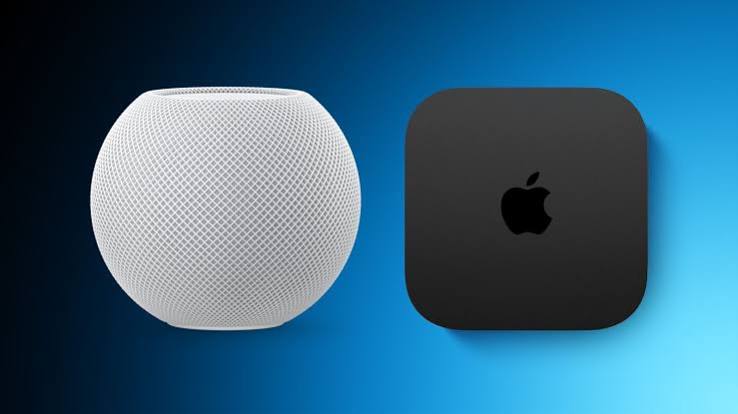
While many consumer product categories like processed foods, textiles, apparel, and toys are common in retail, they are mostly outside Apple’s primary hardware and software scope. Apple focuses on consumer electronics and specialty products by offering digital platforms, computers, and integrated lifestyle accessories.
Apple products are available for hands-on browsing on secured display tables in physical stores, or for direct purchase through online platforms. Devices bought in person or ordered online can be picked up at authorized retail locations or shipped directly to your door.
Target Audience
Apple’s primary target audience consists of affluent, tech-savvy consumers aged 18 to 45 who have above-average disposable incomes. These customers prioritize premium design, ecosystem integration, privacy, and user experience over lower prices, frequently encompassing younger demographics like Gen Z and Millennials, as well as working professionals.
Apple consumers desire seamless technology that “just works,” requiring little to no technical effort. They prioritize aesthetic design, privacy, and status, and generally expect a premium experience. In return, they exhibit unmatched brand loyalty, viewing Apple devices as an essential extension of their personal and professional identities.
Apple customers love the brand’s seamless hardware-software integration, premium build quality, and privacy protection, but dislike the high prices and closed ecosystem. To improve, users frequently request expanded multitasking features and physical ports. Its primary hardware competitors are Samsung, Google, and Microsoft.
Competition

Strengths
Open Ecosystems & Compatibility: Competitors like Microsoft Corporation and Android manufacturers offer high flexibility, allowing users to mix-and-match software and hardware across multiple brands without restriction.
Broader Market Reach: Android OEMs (such as Samsung and Xiaomi) and PC manufacturers offer vastly diverse product portfolios, capturing a wider net of price-sensitive and low-income consumers.
Weaknesses
High Switching Costs & Lock-in: Unlike competitors, Apple’s tightly controlled “walled garden” creates immense friction for users trying to leave its ecosystem.
Slower Service Evolution: Competitors sometimes beat Apple out of the gate with more versatile, open, and platform-agnostic digital services (e.g., Siri frequently lags behind competitors in accuracy and developer support).
Extra Information

Antitrust Scrutiny: Products must navigate strict digital marketplace regulations. Apple has faced major antitrust actions (such as DOJ lawsuits) regarding ecosystem lock-in, meaning new proprietary services often face severe regulatory pushback.
Would It Work In The USA?
For this new Apple product to be launched in the United States, utilizing a mixed-methods approach is ideal. I would begin with exhaustive secondary research to map the competitive and macroeconomic landscape, followed by comprehensive primary research to deeply understand target audience needs and validate the specific product concept. That way to fully know if it could be a product sold in the USA.


Leave a Reply